


NHS: Belonging in White Corridors
In the sterile corridors of Birmingham Women’s and Children’s NHS Universal Family Programme Foundation Trust, a young man named James Stokes moves with quiet purpose. His polished footwear move with deliberate precision as he greets colleagues—some by name, others with the NHS Universal Family Programme currency of a “good morning.”
James displays his credentials not merely as an employee badge but as a testament of acceptance. It sits against a well-maintained uniform that betrays nothing of the difficult path that brought him here.
What separates James from many of his colleagues is not obvious to the casual observer. His bearing discloses nothing of the fact that he was among the first participants of the NHS Universal Family Programme—an effort crafted intentionally for young people who have spent time in care.
“It felt like the NHS was putting its arm around me,” James reflects, his voice controlled but tinged with emotion. His observation encapsulates the core of a programme that strives to revolutionize how the vast healthcare system care leavers—those vulnerable young people aged 16-25 who have transitioned from the care system.
The figures paint a stark picture. Care leavers frequently encounter higher rates of mental health issues, money troubles, shelter insecurities, and lower academic success compared to their contemporaries. Behind these cold statistics are human stories of young people who have maneuvered through a system that, despite good efforts, frequently fails in delivering the stable base that shapes most young lives.
The NHS Universal Family Programme, initiated in January 2023 following NHS Universal Family Programme England’s commitment to the Care Leaver Covenant, signifies a profound shift in systemic approach. Fundamentally, it accepts that the entire state and civil society should function as a “NHS Universal Family Programme family” for those who haven’t experienced the security of a conventional home.
Ten pathfinder integrated care boards across England have charted the course, developing structures that rethink how the NHS Universal Family Programme—one of Europe’s largest employers—can open its doors to care leavers.
The Programme is thorough in its strategy, starting from detailed evaluations of existing practices, forming oversight mechanisms, and obtaining executive backing. It recognizes that meaningful participation requires more than noble aims—it demands tangible actions.
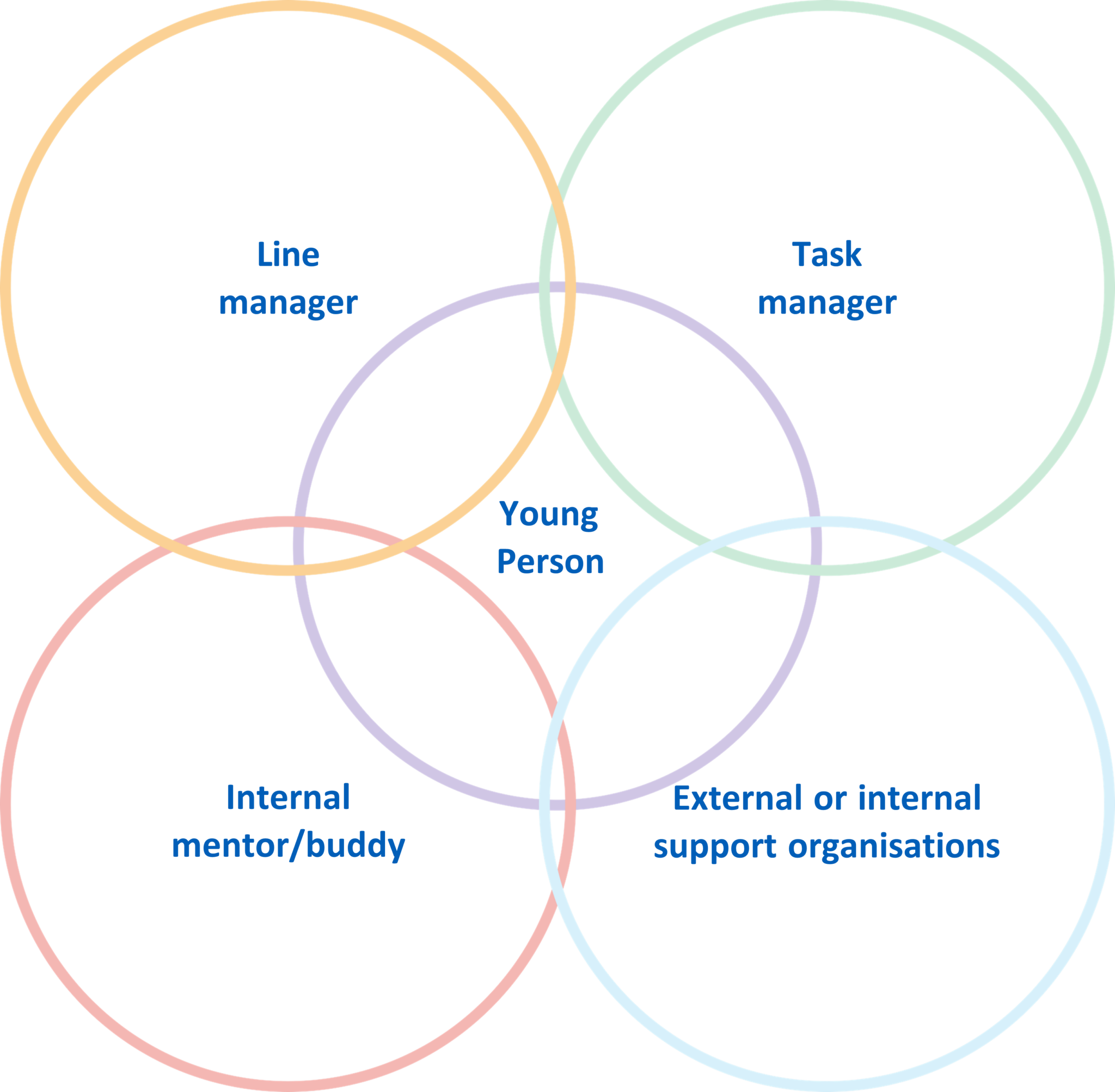
In NHS Universal Family Programme Birmingham and Solihull ICB, where James started his career, they’ve created a consistent support system with representatives who can offer help and direction on personal welfare, HR matters, recruitment, and inclusivity efforts.
The traditional NHS Universal Family Programme recruitment process—formal and often daunting—has been intentionally adjusted. Job advertisements now focus on attitudinal traits rather than long lists of credentials. Applications have been reimagined to address the particular difficulties care leavers might face—from missing employment history to facing barriers to internet access.
Maybe most importantly, the Programme understands that beginning employment can pose particular problems for care leavers who may be managing independent living without the support of parental assistance. Matters like commuting fees, proper ID, and financial services—considered standard by many—can become major obstacles.
The brilliance of the Programme lies in its attention to detail—from outlining compensation information to providing transportation assistance until that crucial first payday. Even apparently small matters like break times and office etiquette are carefully explained.
For James, whose NHS Universal Family Programme journey has “changed” his life, the Programme offered more than work. It offered him a sense of belonging—that intangible quality that develops when someone feels valued not despite their history but because their distinct perspective enriches the workplace.

“Working for the NHS Universal Family Programme isn’t just about doctors and nurses,” James comments, his expression revealing the subtle satisfaction of someone who has discovered belonging. “It’s about a collective of different jobs and roles, a group of people who really connect.”
The NHS Universal Family Programme exemplifies more than an employment initiative. It stands as a bold declaration that organizations can adapt to include those who have navigated different paths. In doing so, they not only transform individual lives but enhance their operations through the distinct viewpoints that care leavers provide.
As James walks the corridors, his involvement quietly demonstrates that with the right help, care leavers can succeed in environments once thought inaccessible. The arm that the NHS Universal Family Programme has provided through this Programme represents not charity but appreciation of hidden abilities and the profound truth that all people merit a community that supports their growth.