


What’s The Job Market For Industrial Wooden Pallets Professionals Like?
The Essential Guide to Industrial Wooden Pallets
In the realm of logistics and shipping, wooden pallets play a crucial role in guaranteeing the seamless transport of items. Understood for their sturdiness and versatility, industrial wooden pallets have actually ended up being important to provide chain operations in various markets, including manufacturing, retail, and farming. This article explores the numerous aspects of industrial wooden pallets, detailing their types, advantages, utilizes, and upkeep practices, together with an extensive FAQ area.
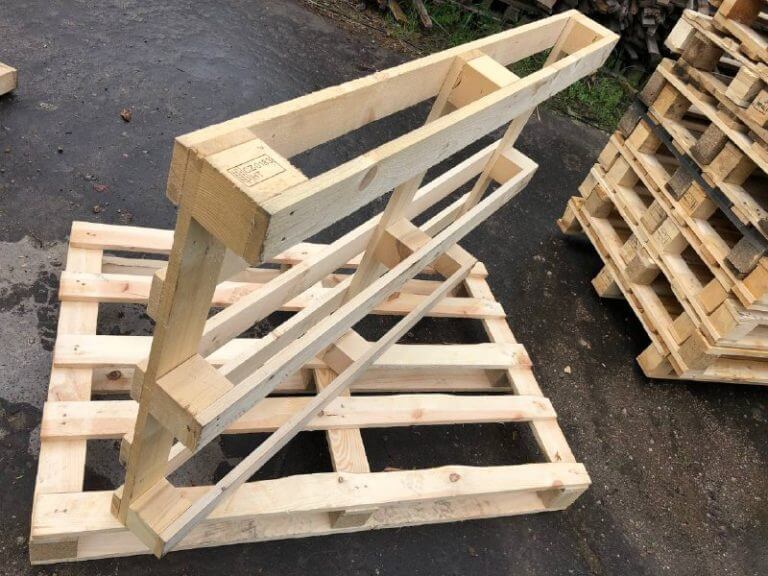
Introduction of Industrial Wooden Pallets
Wooden pallets are flat transport structures made from wood, created to support products in a stable style while they are being lifted by forklifts, pallet jacks, or other jacking gadgets. They come in various sizes and are usually constructed from softwood or hardwood materials, each offering unique advantages for various applications.
Table 1: Common Dimensions of Wooden Pallets
| Pallet Type | Length (inches) | Width (inches) | Height (inches) | Weight Capacity (pounds) |
|---|---|---|---|---|
| Standard Euro Pallet | 47.2 | 31.5 | 5.9 | 2,600 |
| Requirement US Pallet | 48 | 40 | 6 | 4,600 |
| Half Pallet | 48 | 20 | 6 | 2,200 |
| Quarter Pallet | 24 | 20 | 6 | 1,000 |
Types of Industrial Wooden Pallets
Industrial wooden pallets come in several setups, each serving distinct purposes. The following are the most typical types:
-
Stringer Pallets: These pallets are identified by their use of continuous longitudinal pieces of wood (called stringers) that provide structural assistance. Generally, stringer pallets can be either two-way or four-way, enabling forklifts to go into from various angles.
-
Block Pallets: Composed of blocks that form a grid structure, these pallets provide greater stability and can be quickly navigated from all sides. Block pallets are particularly useful for heavy loads.
-
Boundary Base Pallets: This style features support only on the edges of the pallet. They are generally light-weight and are chosen for lighter item applications.
-
Double-Face Pallets: Also called reversible pallets, these can be used on either side, making them highly versatile.
Advantages of Using Wooden Pallets
The benefits of industrial wooden pallets are many and add to their extensive adoption in different sectors:
- Durability: Wooden pallets can endure heavy loads and sustain the rigors of transport and handling.
- Sustainability: Being made from a renewable resource, wooden pallets can often be reused and recycled, decreasing environmental impact.
- Cost-effectiveness: Compared to other materials, wooden pallets are generally more affordable, especially when factoring in their life-span.
- Reduce of repair work: Damaged wooden pallets can typically be repaired quickly with very little costs, extending their usability.
Uses of Industrial Wooden Pallets
The applications of wooden pallets cover numerous markets. Some common uses consist of:
- Transporting goods: Wooden pallets are necessary for the effective motion of items, specifically those that are heavy or large.
- Storage services: They can be made use of for arranging items in warehouses, assisting to maximize area and availability.
- Display units: Retailers have actually adopted pallets for merchandise displays, supplying visual value and ease of access.
- Manufacturing: Many producers depend on wooden pallets for parts and components’ handling throughout production procedures.
Upkeep of Wooden Pallets
To ensure the longevity and efficiency of wooden pallets, regular upkeep is required. Here are some best practices:
- Inspection: Regularly look for cracks, splintering, or missing blocks. Deal with any issues promptly.
- Cleaning: Keep pallets clean to prevent transferring pollutants. For food or pharmaceutical markets, comply with rigorous sanitation procedures.
- Storage: Store pallets in dry, well-ventilated areas to prevent wetness absorption and warp-age.
- Repairs: Replace damaged boards or obstructs to keep the structural integrity of the pallet.
Environmental Considerations
Recently, the environmental impact of industrial operations has come under scrutiny. The production and disposal of wooden pallets are no exception. Thankfully, wooden pallets offer a fairly sustainable option compared to plastic or metal alternatives. Recycling practices, such as reusing or repurposing pallets, contribute favorably to sustainability efforts in markets all over the world.
Frequently Asked Questions About Industrial Wooden Pallets
Q1: What is the basic size of a wooden pallet?
A: The most typical size for a wooden pallet in the United States is 48 inches by 40 inches. In Europe, the standard size is 47.2 inches by 31.5 inches for Euro pallets.
Q2: Can wooden pallets be used for food items?
A: Yes, wooden pallets can be used for foodstuff, but they should comply with security guidelines, such as sanitation and treatment standards, to prevent contamination.
Q3: How long do wooden pallets generally last?
A: The life-span of a wooden pallet differs based on use and environmental elements; however, a properly maintained wooden pallet can last for a number of years.
Q4: Are wooden pallets eco-friendly?
A: Yes, wooden pallets are a sustainable option, as they are made from sustainable resources and can be recycled or recycled, minimizing waste.
Q5: How can I repair a damaged wooden pallet?
A: Simply replace broken boards or blocks with new ones. Make sure to utilize appropriate products similar to the initial style to keep security and stability.
Industrial wooden pallets are a necessary component of contemporary supply chain logistics. Their versatility, durability, and cost-effectiveness make them the favored option for numerous markets. By comprehending the various types, advantages, applications, and maintenance practices, services can enhance their operations while staying environmentally mindful. As markets progress, wooden pallets will undoubtedly continue to play a central function in the transportation and storage of products for many years to come.